


Why Workforce, Reentry, and Stability Are the Same Conversation as Housing
Across the country, the housing conversation is getting more urgent. There aren’t enough units being built, costs continue to rise, and construction timelines are stretching longer than planned. A recent national convening on housing development pointed to a critical factor shaping all of this: there simply aren’t enough skilled workers to meet demand. The result is slower production, higher costs, and fewer opportunities for people trying to access stable housing.
That framing is accurate, but it’s incomplete.
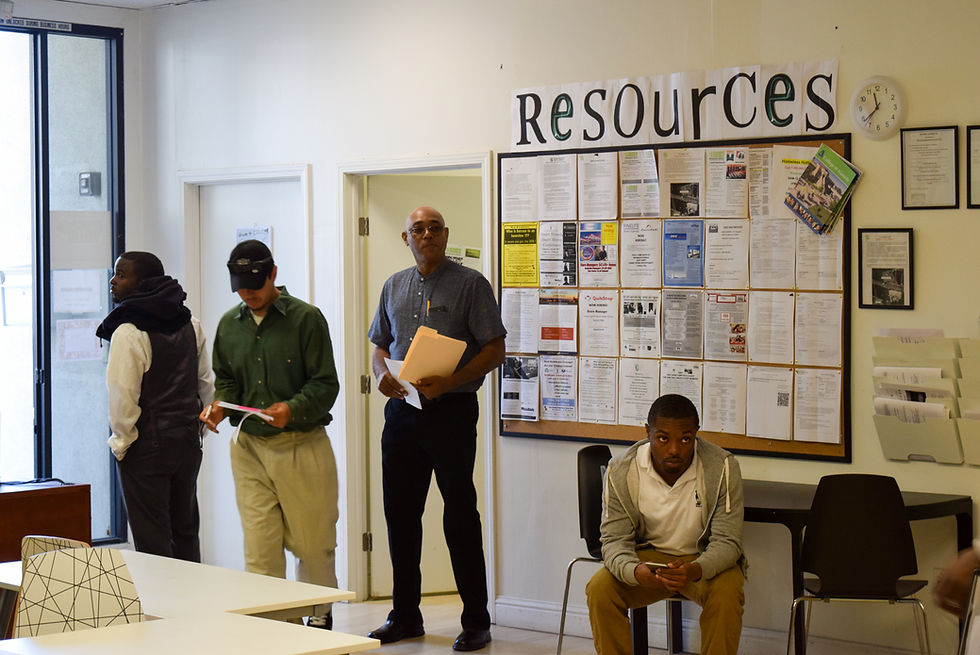
What’s often missing from this national conversation is a closer look at where those workers might come from and how communities already experiencing housing instability are connected to the very systems trying to address it.
At BOSS, that connection is not theoretical. It shows up in real time. In the East Bay, housing instability, reentry, and employment are not separate issues. They intersect in the lives of the people we work with every day.
At the Washington Inn, residents are not only stabilizing their housing situation but also participating in workforce training programs designed to lead directly to employment.
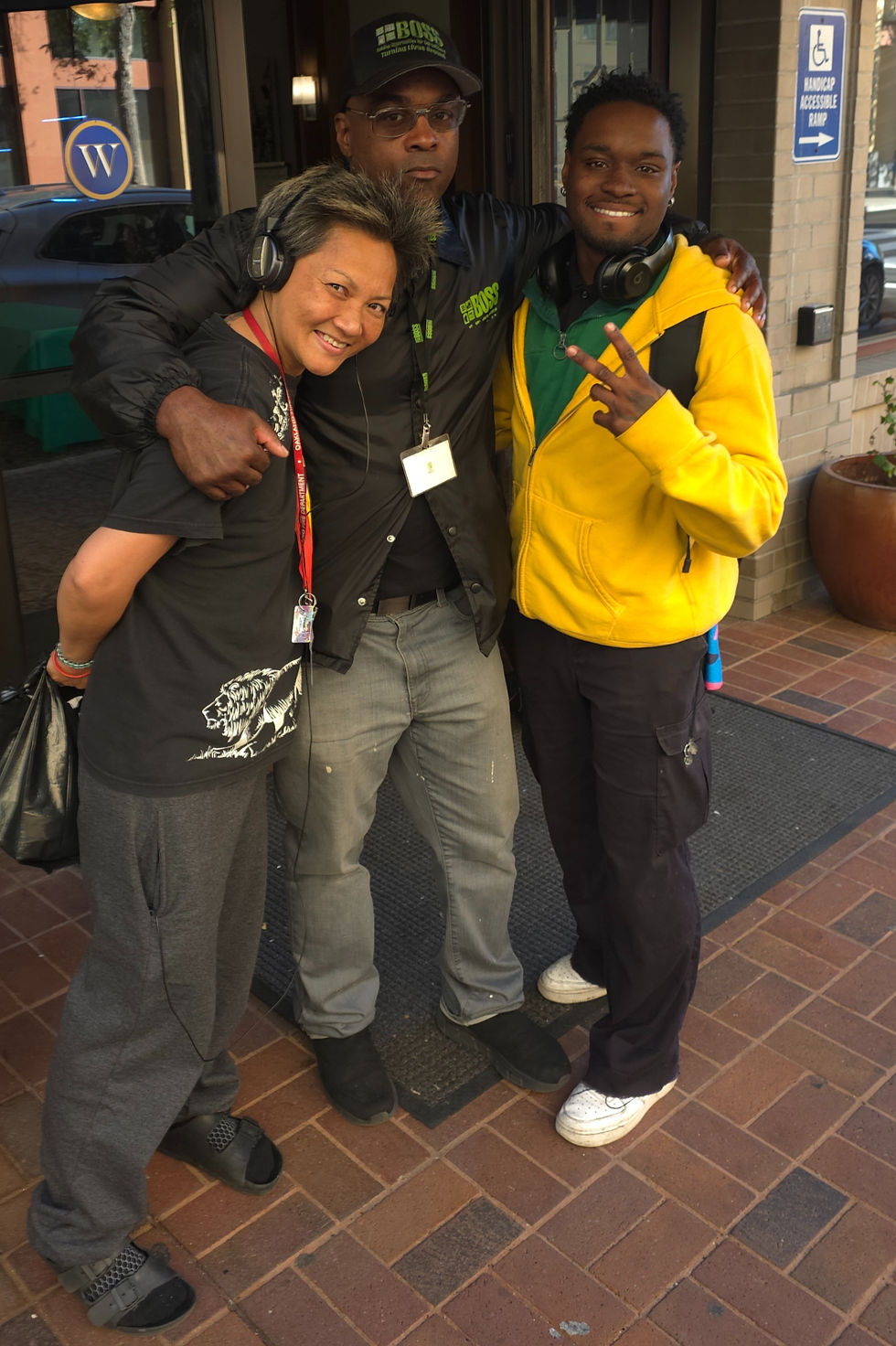
Recently, two participants completed BOSS’s Property Management Cohort Program after months of consistent attendance and coursework. They earned certifications, secured employment pathways, and moved into permanent housing with leases in their names.
Their transition reflects something larger than individual success. It highlights how workforce development and housing access can move together when systems are aligned.
Nationally, there is increasing attention on expanding workforce pipelines, particularly in skilled trades and construction. There is also a growing emphasis on engaging people from underrepresented communities and individuals returning from incarceration.
These groups are often described as a future workforce, as though they exist outside of current systems, waiting to be brought in.
At BOSS, they are already here.
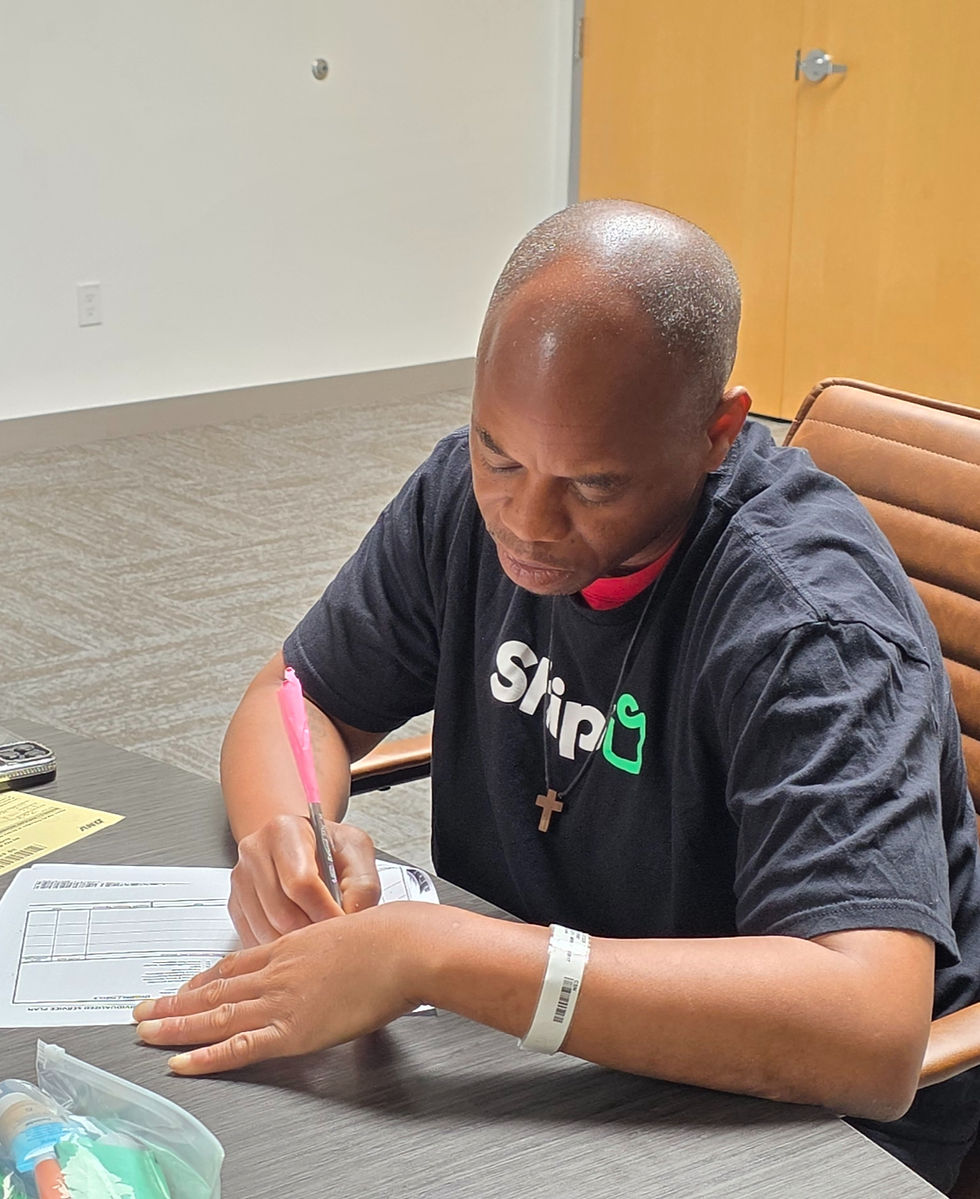
Participants are building skills, earning certifications, and preparing for jobs in housing systems. They are doing this work while navigating reentry, stabilizing their living situations, and rebuilding their lives. What they often encounter is not a lack of readiness, but a lack of access. Access to employers willing to hire. Access to training programs that lead directly to jobs. Access to systems that do not automatically exclude based on history.
These barriers slow progress not only for
individuals, but for the housing system as a
hole.
Housing production depends on people, people who build, manage, and maintain it. When there is a shortage of skilled labor, projects stall, and costs rise. When workforce development is disconnected from employment, people remain underutilized. When housing systems and workforce systems operate separately, both fall short of what they are capable of achieving.
The national conversation is beginning to acknowledge these gaps, but it has not fully caught up to what is already happening on the ground.
Organizations like BOSS are working at the intersection of housing access, workforce development, and reentry support every day. These are not separate programs. They are connected pathways that, when aligned, create lasting stability.
This moment presents an opportunity to think differently about partnerships and investment. Developers and builders are searching for reliable workforce pipelines.
Workforce programs are working to connect participants to meaningful employment. Communities are seeking long-term solutions that reduce cycles of instability.
BOSS sits within that intersection, not as a concept, but as an active part of the system.
The question is no longer whether these connections exist. It is whether they will be recognized and strengthened.
Investment in this work does more than support individuals. It strengthens the broader housing ecosystem. It contributes to the workforce needed to build and sustain housing, reduces barriers to employment, and creates pathways for people to move from instability into participation in the economy.
Housing will remain a national priority, and workforce development will continue to shape how that priority is addressed. The next step is ensuring that these conversations include the communities already doing the work.
At BOSS, participants are not waiting to be included in the solution. They are already part of it. They are training, working, and moving into housing. What comes next depends on whether systems are willing to meet them there.


Learning the timing of each pattern in fnf game can help players react more confidently during difficult songs.
In Love tester, players input two names to ascertain their romantic compatibility in unexpected ways. The game is both engaging and addictive. It provides moments of enjoyment and relaxation, incites inquiry, and fosters camaraderie among friends by delivering unexpected, humorous outcomes in a matter of seconds.
The atmosphere is what pulled me into That’s Not My Neighbor. There’s something uncomfortable about deciding who gets through the door when you’re never completely sure that the person standing there is genuine.